

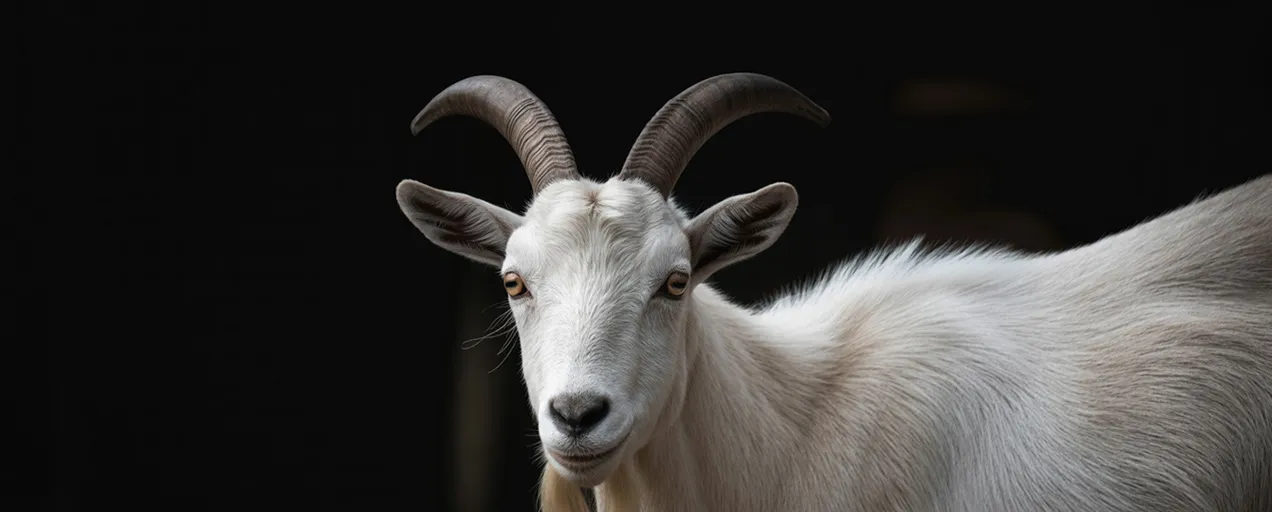
Have you ever used makeup brushes made from animal hair? How was the experience?
Or have you never tried them due to certain beliefs?
As we all know, Natural hair brushes are highly praised for their excellent performance and exceptional makeup experience. However, the ethical debate surrounding them is growing increasingly intense. Are these brushes truly ethical, or do they come at the cost of animal welfare? In today’s diverse market for cosmetic tools, the controversy around natural hair brushes is far from black and white. Let’s take a deeper look into this topic and uncover the truth behind it.
What Are Natural Hair Makeup Brushes?
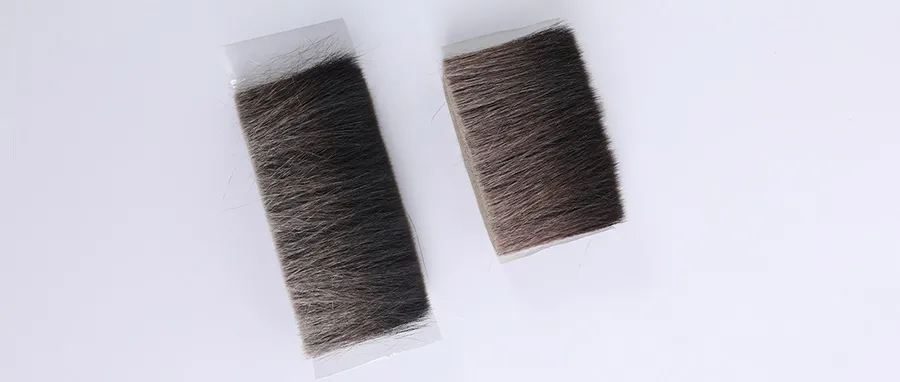
Natural hair (also called real hair) brushes are crafted from animal hair, with common sources including goat hair, squirrel hair, pony hair, and sable hair. The raw materials are collected by suppliers, thoroughly cleaned, and then shaped into brush bristles through intricate processes by makeup brush manufacturers.
These natural bristles are prized for their unique cuticle structure, which allows them to pick up and distribute powders evenly, delivering a seamless application. Unlike synthetic fibers, natural bristles are porous, giving them a texture that many professional makeup artists revere. This porosity enhances their ability to grip and blend powder products, making them a preferred choice for achieving professional-grade results.
Market Evolution: The Rise and Fall of Natural Hair Makeup Brushes
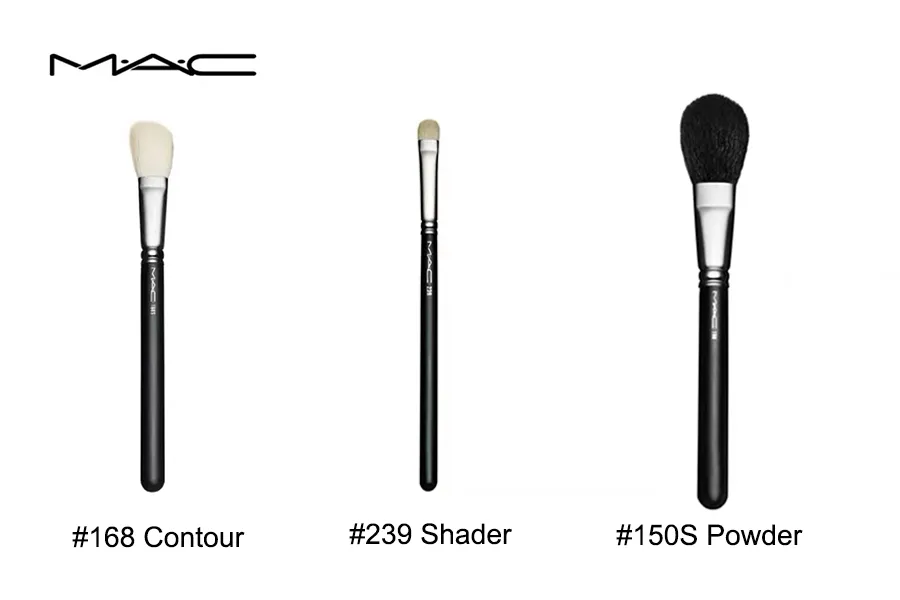
Around the early 2000s, natural hair makeup brushes were the undisputed favorites of the beauty industry. Renowned brands like Sephora, MAC and Hakuhodo, many of which relied on Japanese craftsmanship, dominated the market. MAC’s iconic brushes, such as #168, #150S, and #239, were celebrated by professionals and consumers alike for their outstanding performance and precision.
However, in recent years, natural hair brushes have almost disappeared from mainstream markets, replaced by synthetic fiber brushes. This shift is not merely a byproduct of technological advancements but also a reflection of growing consumer concerns over «ethics» and «animal cruelty.»
Under the influence of marketing campaigns from major brands, many consumers have come to associate natural hair brushes with animal abuse or experimentation. These beliefs, reinforced through years of strategic messaging, have deeply reshaped consumer perceptions, making synthetic alternatives the new industry standard.
Ethical Concerns: The Controversy Around Natural Hair Makeup Brushes
1. Is Collecting Animal Hair Cruel?
The answer to this question is far from straightforward.
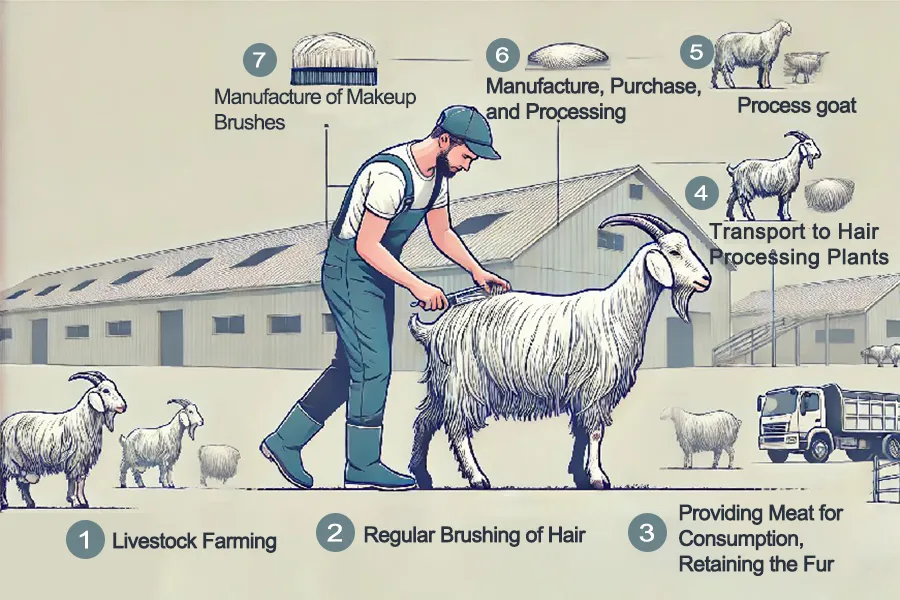
In ideal scenarios, animal hair is collected during regular grooming or shearing processes or sourced as a byproduct of livestock farming. These methods typically do not harm the animals directly.
However, exceptions exist. Certain suppliers have been accused of unethical practices, such as forced shearing or mistreatment of animals. While some manufacturers emphasize that their raw materials are ethically and legally sourced, the lack of consistent transparency across the industry raises consumer concerns about the morality of natural hair products.
Ultimately, the ethical standing of natural hair brushes depends on the transparency of raw material sourcing and the accountability of manufacturers.
2. Responsibilities of Suppliers and Manufacturers
Transparency in Raw Material Sourcing
Makeup brush manufacturers rely on suppliers for raw materials, making the ethicality of sourcing a critical issue. In China, wildlife protection mechanisms have improved significantly in recent years. Advanced technologies like drones and smart management systems have made illegal poaching of animals, such as foxes and squirrels, exceedingly rare.
Moreover, most high-quality goat hair used in makeup brushes is no longer sourced from wild animals but as a byproduct of livestock farming. This practice minimizes direct harm to animals while ensuring a stable supply chain. As a leading natural hair brush manufacturer under the Chinese Makeup Brush Association, we require detailed documentation from our suppliers to verify that raw materials meet ethical standards. However, inconsistent practices among manufacturers have led to market confusion and ongoing debates.
Does Brush Production Involve Animal Testing?
Many consumers mistakenly associate natural hair brushes with animal testing, as is common in cosmetics development. However, brush production solely involves the collection of animal hair and does not require chemical or laboratory testing. Thus, equating natural hair brushes with animal testing is a misconception that does not hold up under scrutiny.
3. Consumer Choices and Perceptions
Why Do Consumers Reject Natural Hair Brushes?
A significant portion of consumers believe that rejecting natural hair brushes helps protect animals. But is this belief rooted in informed understanding, or has it been shaped by targeted marketing from mainstream brands?
In recent years, synthetic fiber brushes have become the focal point for many brands, but their rise is not entirely driven by ethical considerations. Instead, the shift is often motivated by economic and market strategy factors.
Why Do Brands Favor Synthetic Fiber Brushes?
- Lower Costs: Raw Material and Production Efficiency
The acquisition of high-quality natural hair depends on complex supply chains, with costs rising as these resources become scarcer. In contrast, synthetic fibers are entirely human-made, allowing for controlled costs and scalable industrial production. Advances in technology have also improved the performance of synthetic fibers, bringing them closer to the capabilities of natural hair. - Reduced Consumer Education and Maintenance Costs
Natural hair brushes require meticulous care to avoid issues such as shedding, fraying, and odor buildup. Brands must invest significant resources to educate consumers on proper maintenance and handle complaints stemming from improper use. Synthetic brushes, on the other hand, feature non-porous structures that are easy to clean and maintain, reducing both consumer frustration and post-sale service burdens. - Meeting Mass Market Demand: Affordability and Accessibility
Natural hair brushes, with their scarce raw materials, complex craftsmanship, and high labor costs, have become luxury items rather than everyday essentials. Synthetic brushes, by contrast, offer high performance at a lower price point, making them more accessible to the average consumer. This affordability and versatility have positioned synthetic brushes as the ideal choice for brands looking to expand their market share.
Further Consideration
If rejecting natural hair brushes stems from a desire to protect animals, how do we explain other aspects of modern life?
- Dietary Choices: We consume meat daily to obtain essential nutrients—have we considered the harm caused to animals? Isn’t it far more cruel than utilizing their hair?
- Cosmetic Testing: Many skincare and makeup products undergo extensive testing. Can you confidently say the cosmetics you use are free from animal testing?
- Luxury Goods: High-end leather and fur products remain highly sought after. How many people reject them outright because of their animal-derived materials?
The reality is that many facets of modern life are deeply intertwined with the use of animal resources. While it may not be feasible to entirely eliminate animal products, legal and ethical measures can help prevent poaching and inhumane practices. This balance between protecting animals and responsibly utilizing resources is key.
Environmental Impact
Comparison Between Natural and Synthetic Brushes
To comprehensively evaluate the environmental impact of natural and synthetic brushes, we reference third-party Life Cycle Assessment (LCA) data, focusing on three key indicators: Energy Consumption, Carbon Emissions, and Biodegradability.
| Environmental Indicator | Natural Hair Brushes | Synthetic Brushes |
|---|---|---|
| Energy Consumption | Approx. 60 MJ/kg (Associated with livestock farming) | Approx. 120 MJ/kg (Plastic preparation and processing) |
| Carbon Emissions | Approx. 10-15 kg CO₂/kg (Low emissions) | Approx. 30-40 kg CO₂/kg (High emissions) |
| Biodegradability | 6-12 months (Natural animal hair) | 50-500 years (Plastic-based materials) |
Energy Consumption Comparison
- Natural Hair Brushes: The primary energy consumption comes from livestock farming, hair collection, and processing. Energy usage remains relatively low, especially in cases where large-scale mechanization is limited.
- Synthetic Brushes: Made from polymers (plastics), their production involves high energy consumption due to petroleum extraction, plastic manufacturing, and further processing.
Carbon Emissions Comparison
- The carbon emissions of natural hair brushes primarily result from animal farming and transportation, but the total emissions remain significantly lower compared to synthetic brushes.
- Synthetic brushes, derived from petroleum-based materials, release large amounts of greenhouse gases such as carbon dioxide (CO₂) and methane, which exacerbate environmental problems.
Biodegradability and Waste Management
- Natural Hair Brushes: Made from animal hair, they exhibit excellent biodegradability. Typically, they degrade naturally within 6-12 months, causing minimal environmental pollution.
- Synthetic Brushes: Primarily composed of nylon or polyester, these materials can take 50 to 500 years to decompose. This extended degradation period contributes significantly to plastic waste, particularly in landfills and oceans, leading to severe environmental concerns.
Data Sources: University of California, Davis: «Synthetic Makeup Brush — Design Life-Cycle«
How to pick the right brush: natural hair vs. synthetic?
Makeup is meant to boost our confidence and bring joy—it’s a personal and creative form of self-expression, and there’s no need to overcomplicate your choices. Ultimately, picking a makeup brush is about finding the tool that best supports your routine and creates an enjoyable experience.
The value and suitability of natural and synthetic brushes depend entirely on your personal needs, beliefs, and lifestyle—there’s no absolute right or wrong. Keep things simple and focus on what makes makeup a source of happiness for you.
If you’d like to explore the differences between natural and synthetic bristles in depth, check out this article: Natural Hair Brushes vs Synthetic: Which is Better?

